How Skill-Based Machines Transformed Arcades and Sparked Regulatory Debates Worldwide
Written by Zoe Schmitt · Sep 23, 2026
How Skill-Based Machines Transformed Arcades and Sparked Regulatory Debates Worldwide
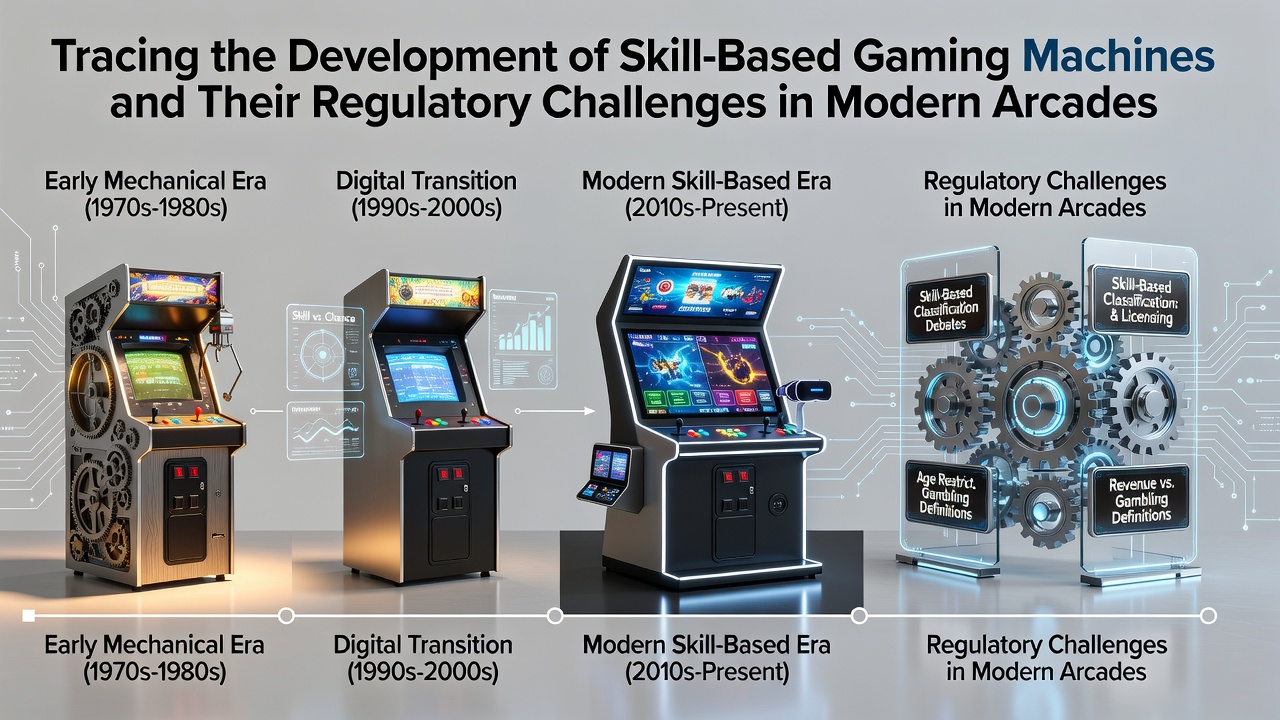
Skill-based gaming machines emerged from mechanical roots in the mid-20th century when pinball tables and early electro-mechanical games rewarded player reflexes and strategy rather than pure chance, and manufacturers gradually layered electronic components onto these foundations through the 1970s and 1980s while arcades expanded in shopping malls and entertainment districts across North America and Europe. Observers note that video game cabinets introduced during the 1980s further blurred lines because titles like early racing simulators and fighting games incorporated measurable player performance that influenced scores and sometimes prize redemptions, prompting initial regulatory scrutiny in jurisdictions where gaming devices fell under existing gambling statutes.
Technological Shifts Driving Machine Design
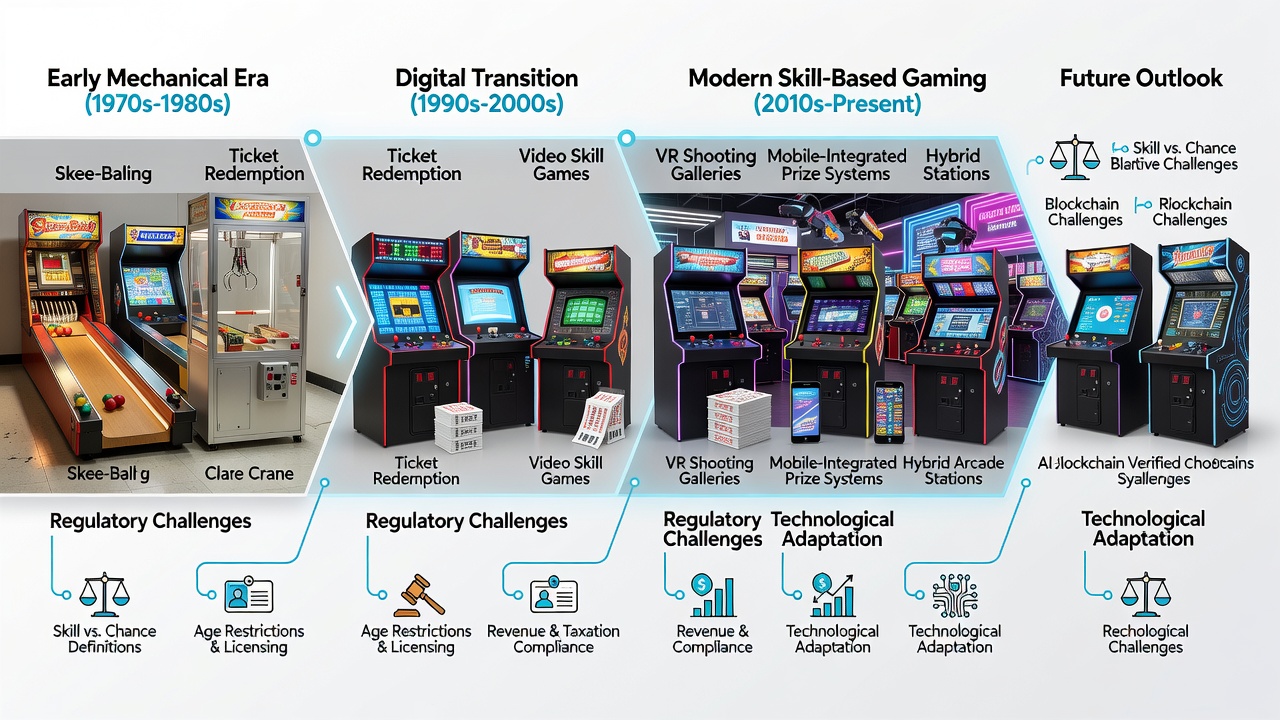
Engineers incorporated microprocessors and later digital displays that allowed outcomes to respond dynamically to user input, and this progression accelerated when arcade operators began integrating redemption systems that converted high scores into tickets or credits during the 1990s. Data from industry reports shows that by the early 2000s hybrid machines combined video elements with physical controls such as joysticks or touchscreens, creating formats where demonstrated skill could alter payout percentages in measurable ways. Researchers at academic institutions tracking gaming technology have documented how these devices migrated from standalone arcade cabinets into larger entertainment centers that combined food service, virtual reality stations, and networked skill challenges, and operators increasingly positioned the machines as entertainment alternatives to traditional slot-style equipment.
Classification Issues Across Jurisdictions
Regulatory bodies face persistent questions about whether machines qualify as games of chance or skill because many systems retain random number generators that determine baseline probabilities even as player actions modify final results, and this hybrid nature creates enforcement gaps in regions with strict distinctions between gaming categories. In the United States, state-level agencies including those in Nevada and New Jersey have developed testing protocols that evaluate the degree of skill required to achieve consistent positive returns, whereas Canadian provincial regulators apply different benchmarks focused on player information disclosure and age verification systems. European authorities in several member states examine similar devices under consumer protection frameworks that emphasize transparency about odds and potential losses, and observers note that inconsistent definitions across borders complicate manufacturer compliance efforts when machines enter international supply chains.
Modern Arcade Integration and Oversight Pressures
Contemporary arcades often operate within family entertainment centers that host birthday parties and corporate events, and operators install skill-based terminals alongside prize redemption counters that appeal to broader demographics than traditional gambling venues. Licensing requirements in many areas now mandate independent laboratory certification that verifies skill elements exceed predetermined thresholds, and this process typically involves simulated play sessions that measure performance variance across large sample sizes. Industry associations representing arcade operators report ongoing dialogue with policymakers about updating classification criteria to reflect advances in artificial intelligence opponents and adaptive difficulty algorithms that could shift the balance between chance and skill over time.
Stakeholders track developments around player protection measures including session time limits and spending caps that some jurisdictions apply uniformly to both skill and chance devices, and these rules generate administrative costs for smaller arcade businesses that must update software and train staff accordingly. In September 2026 several North American and European venues plan to pilot updated compliance software that logs real-time performance metrics for regulatory audits, and manufacturers anticipate that successful trials could influence future standards adopted by additional regions.
Testing Methodologies and Enforcement Realities
Independent testing labs evaluate machines using statistical models that separate random elements from skill contributions, and regulators require documentation showing that skilled players achieve statistically superior results compared with random play over extended periods. Challenges arise when algorithms adjust difficulty based on individual performance because such adaptations complicate standardized testing procedures, and enforcement agencies sometimes request source code access that raises intellectual property concerns among developers. Trade groups note that collaborative working groups involving regulators, manufacturers, and academic researchers have produced draft guidelines aimed at harmonizing evaluation methods across different markets, although adoption remains uneven.
Conclusion
Skill-based gaming machines continue evolving through incremental hardware and software refinements that respond to both player preferences and regulatory demands, and the ongoing classification debates reflect broader tensions between technological innovation and consumer safeguards in entertainment venues. Data collected from operational sites indicates steady growth in installations within mixed-use entertainment facilities, while compliance frameworks adapt through iterative policy updates that incorporate feedback from operators and testing experts. Future developments will likely center on refined measurement techniques and cross-jurisdictional coordination efforts that address the unique characteristics of these hybrid devices.